Canine Rehabilitation Cost
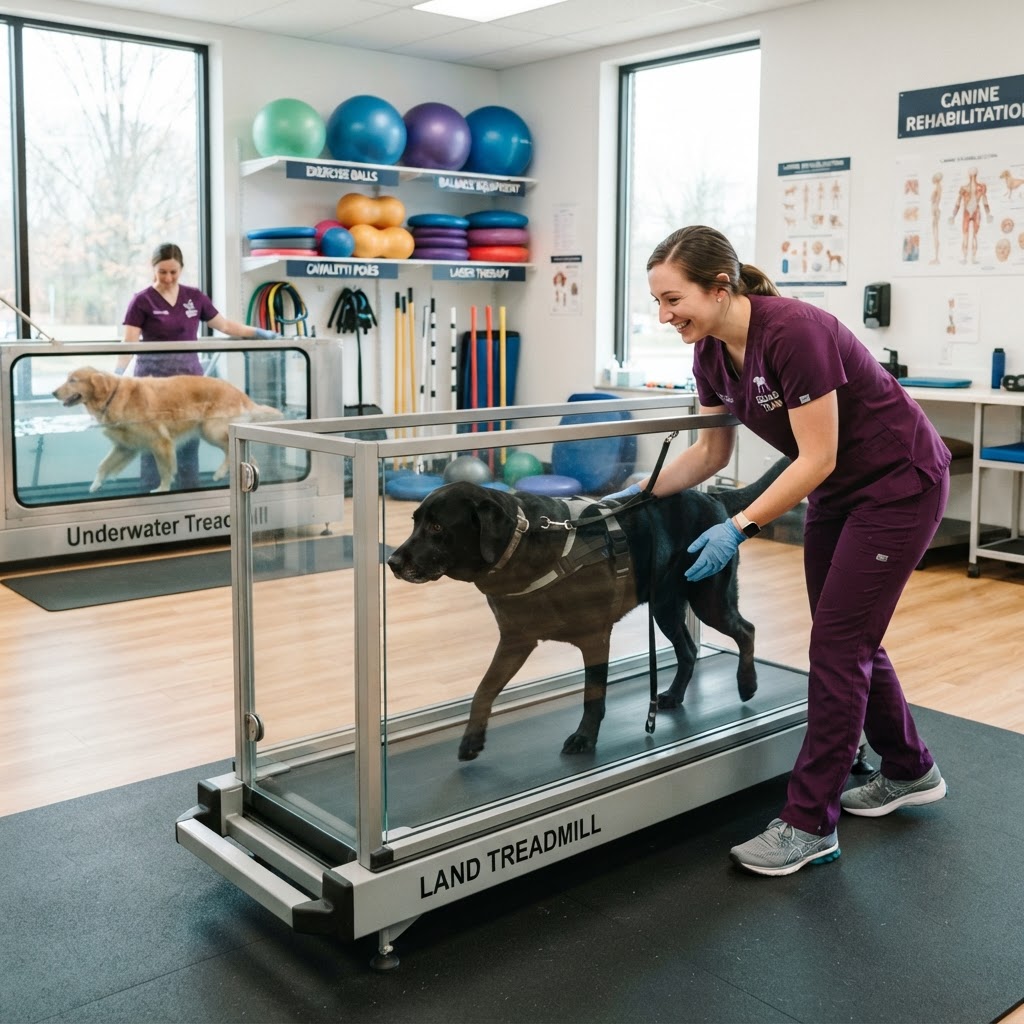
Canine rehabilitation is a comprehensive, multi-modal approach to recovery and pain management — combining physical therapy, hydrotherapy, laser therapy, acupuncture, chiropractic, and therapeutic exercises into one integrated program. A certified canine rehabilitation practitioner (CCRP or CCRT) designs and oversees the full program, adjusting treatments as your dog progresses through recovery.
The average cost of a canine rehabilitation program is $200 to $2,400, depending on the condition, number of sessions, and modalities used.
Canine Rehabilitation Program Costs by Condition
| Condition | Program Length | Sessions | Total Cost | Modalities Used |
|---|---|---|---|---|
| Post-ACL/TPLO surgery | 8–12 weeks | 8–16 | $600–$2,400 | PT, hydrotherapy, laser, home exercises |
| Post-hip surgery | 6–10 weeks | 6–12 | $450–$1,800 | PT, hydrotherapy, laser, chiropractic |
| Post-fracture repair | 6–12 weeks | 6–12 | $450–$1,800 | PT, hydrotherapy, therapeutic ultrasound |
| IVDD/spinal recovery | 8–16 weeks | 8–20 | $600–$3,000 | PT, acupuncture, laser, hydrotherapy, chiropractic |
| Post-amputation | 4–8 weeks | 4–10 | $300–$1,500 | PT, hydrotherapy, gait retraining |
| Arthritis management (ongoing) | Ongoing | 2–6/month | $200–$800/month | Laser, hydrotherapy, PT, acupuncture, chiropractic |
| Weight management program | 8–16 weeks | 8–16 | $400–$1,600 | Hydrotherapy, PT, exercise plan, diet plan |
Cost Breakdown: Typical 12-Week Post-Surgery Rehab Program
| Week | Session Type | Cost | Cumulative |
|---|---|---|---|
| Week 1 | Initial evaluation + first session | $150–$240 | $150–$240 |
| Week 2–3 | 2× PT + laser sessions | $200–$400 | $350–$640 |
| Week 4–6 | 3× PT + hydrotherapy sessions | $300–$600 | $650–$1,240 |
| Week 7–9 | 3× PT + hydro + laser | $300–$600 | $950–$1,840 |
| Week 10–12 | 2× PT + final assessment | $200–$400 | $1,150–$2,240 |
How to Find a Certified Canine Rehab Practitioner
- CCRP (Certified Canine Rehabilitation Practitioner): University of Tennessee certification program — search their directory
- CCRT (Certified Canine Rehabilitation Therapist): Canine Rehab Institute certification — search their directory
- Ask your surgeon: Most veterinary surgeons have a preferred rehab facility they refer to
- Veterinary teaching hospitals: Universities (UC Davis, Cornell, Tufts, NC State) have rehab departments
- Check for equipment: A proper rehab facility should have an underwater treadmill, therapeutic laser, and therapeutic exercise equipment
Frequently Asked Questions
How much does canine rehabilitation cost?
A canine rehabilitation program costs $200 to $2,400 depending on the condition, duration, and modalities used. A 12-week post-surgery program costs $1,150–$2,240. Post-ACL surgery rehab costs $600–$2,400 over 8–12 weeks. Ongoing arthritis management costs $200–$800/month. Each individual session costs $50–$300 depending on what's included. Package deals reduce per-session cost by 10–20%.
Is canine rehabilitation worth it?
Yes — studies show dogs who receive structured rehabilitation after surgery recover faster, regain more function, and have fewer complications than dogs without rehab. Without rehab, dogs may develop compensatory pain, muscle atrophy, and reduced range of motion. Most veterinary surgeons now recommend rehabilitation as standard practice after orthopedic surgery. The cost of rehab ($600–$2,400) is small compared to the surgery itself ($3,500–$5,000 for ACL surgery).
Does pet insurance cover canine rehabilitation?
Many pet insurance plans cover canine rehabilitation when prescribed by a vet for a covered condition. Healthy Paws, Trupanion, and Embrace typically cover rehab sessions. Coverage may include PT, hydrotherapy, laser, and acupuncture. Check your policy for specifics — some plans have annual limits on alternative therapy. See pet insurance cost for rehab-friendly providers.
When should my dog start rehabilitation?
Most surgeons recommend starting rehab 2–4 weeks after surgery, once incisions have healed. For ACL/TPLO surgery, rehab typically begins at week 2–4 post-op. For conservative management (no surgery), rehab can start immediately. Early intervention prevents muscle loss and compensatory issues. Your surgeon and rehab practitioner will determine the right timing for your dog's specific condition.