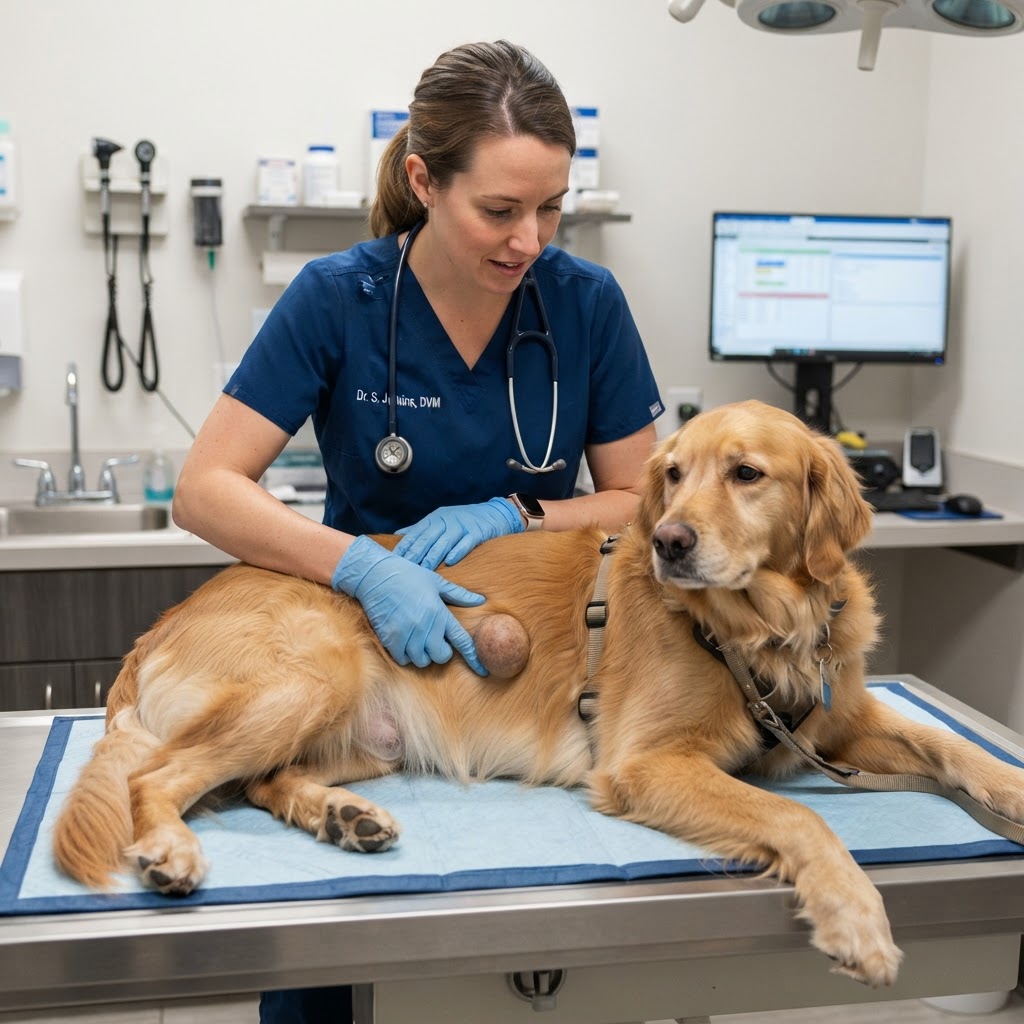
Your dog's breed is one of the biggest factors affecting insurance cost — some breeds are prone to expensive hereditary conditions that drive up premiums. Bulldogs, Great Danes, and German Shepherds cost the most. Mixed breeds, Chihuahuas, and Beagles cost the least. Knowing your breed's typical insurance cost helps you budget and choose the right coverage level.
Dog insurance costs $20 to $120 per month depending on breed, with a national average of $56/month.
Dog Insurance Cost by Breed (20+ Breeds)
| Breed | Monthly Cost | Annual Cost | Risk Level | Top Health Issues |
|---|---|---|---|---|
| French Bulldog | $60–$100 | $720–$1,200 | High | Breathing, spinal, allergies, cherry eye |
| English Bulldog | $70–$120 | $840–$1,440 | Very High | Breathing, hips, skin, entropion |
| Great Dane | $55–$100 | $660–$1,200 | High | Bloat, heart, hip dysplasia, bone cancer |
| Bernese Mountain Dog | $55–$95 | $660–$1,140 | High | Cancer, hip/elbow dysplasia |
| German Shepherd | $45–$80 | $540–$960 | Medium-High | Hip dysplasia, digestive, degenerative myelopathy |
| Golden Retriever | $45–$80 | $540–$960 | Medium-High | Cancer, hip dysplasia, heart |
| Rottweiler | $45–$80 | $540–$960 | Medium-High | Hip dysplasia, heart, bloat |
| Labrador Retriever | $40–$70 | $480–$840 | Medium | Hip/elbow dysplasia, knee, obesity |
| Goldendoodle | $40–$70 | $480–$840 | Medium | Hip dysplasia, allergies, ear infections |
| Poodle (Standard) | $35–$65 | $420–$780 | Medium | Hip dysplasia, Addison's, bloat |
| Siberian Husky | $35–$60 | $420–$720 | Medium | Eye issues, hip dysplasia, thyroid |
| Australian Shepherd | $35–$60 | $420–$720 | Medium | Hip dysplasia, eye issues, MDR1 mutation |
| Boxer | $40–$70 | $480–$840 | Medium-High | Heart, cancer, bloat |
| Dachshund | $30–$55 | $360–$660 | Medium | Spinal issues (IVDD), dental, obesity |
| Cocker Spaniel | $30–$55 | $360–$660 | Medium | Ears, eyes, hip dysplasia, heart |
| Shih Tzu | $25–$45 | $300–$540 | Low-Medium | Eye issues, dental, breathing |
| Yorkie (Yorkshire Terrier) | $25–$45 | $300–$540 | Low-Medium | Dental, patellar luxation, liver |
| Beagle | $25–$45 | $300–$540 | Low-Medium | Epilepsy, hip dysplasia, ears |
| Pug | $35–$60 | $420–$720 | Medium | Breathing, eyes, skin, soft palate |
| Chihuahua | $20–$40 | $240–$480 | Low | Dental, patellar luxation, heart |
| Mixed breed / Mutt | $25–$50 | $300–$600 | Low | Genetic diversity = fewer hereditary conditions |
Why Do Some Breeds Cost More?
| Risk Factor | Impact on Premium | Example |
|---|---|---|
| Brachycephalic (flat-faced) | +30–60% | French Bulldog, Pug, Bulldog — breathing, eye, skin issues |
| Large/giant breed | +20–40% | Great Dane, Bernese — bloat, cancer, shorter lifespan |
| Cancer-prone breed | +15–30% | Golden Retriever, Boxer, Bernese — high cancer rates |
| Hip dysplasia-prone | +15–25% | German Shepherd, Labrador — expensive hip surgery |
| Long-backed breeds | +15–25% | Dachshund, Corgi — spinal/IVDD surgery risk |
| Mixed breed | -20–30% | Genetic diversity reduces hereditary conditions |
Frequently Asked Questions
Which dog breed has the cheapest insurance?
Mixed breeds ($25–$50/month) and Chihuahuas ($20–$40/month) have the cheapest insurance. Beagles ($25–$45/month) and Yorkies ($25–$45/month) are also affordable. Small breeds with fewer hereditary conditions cost less to insure. Mixed breeds benefit from genetic diversity, reducing the risk of breed-specific conditions that drive up claims.
Which dog breed has the most expensive insurance?
English Bulldogs ($70–$120/month) and French Bulldogs ($60–$100/month) have the most expensive insurance. They're brachycephalic (flat-faced) and prone to breathing issues, spinal problems, skin infections, eye conditions, and allergies. Great Danes ($55–$100/month) and Bernese Mountain Dogs ($55–$95/month) are also expensive due to large size, bloat risk, cancer, and shorter lifespans.
Does pet insurance cost more for purebred dogs?
Yes — purebred dogs typically cost 20–40% more to insure than mixed breeds. Purebreds have a higher risk of breed-specific hereditary conditions (hip dysplasia, heart disease, cancer) due to limited genetic diversity. Mixed breeds benefit from hybrid vigor, meaning fewer inherited health issues and lower claim rates.
How can I reduce insurance cost for my breed?
Enroll your dog young (puppy rates are lowest), choose a higher deductible ($500–$1,000), select 70% reimbursement instead of 90%, keep your dog at a healthy weight (obesity increases health issues), maintain regular wellness exams to catch issues early, and compare quotes from multiple providers annually.