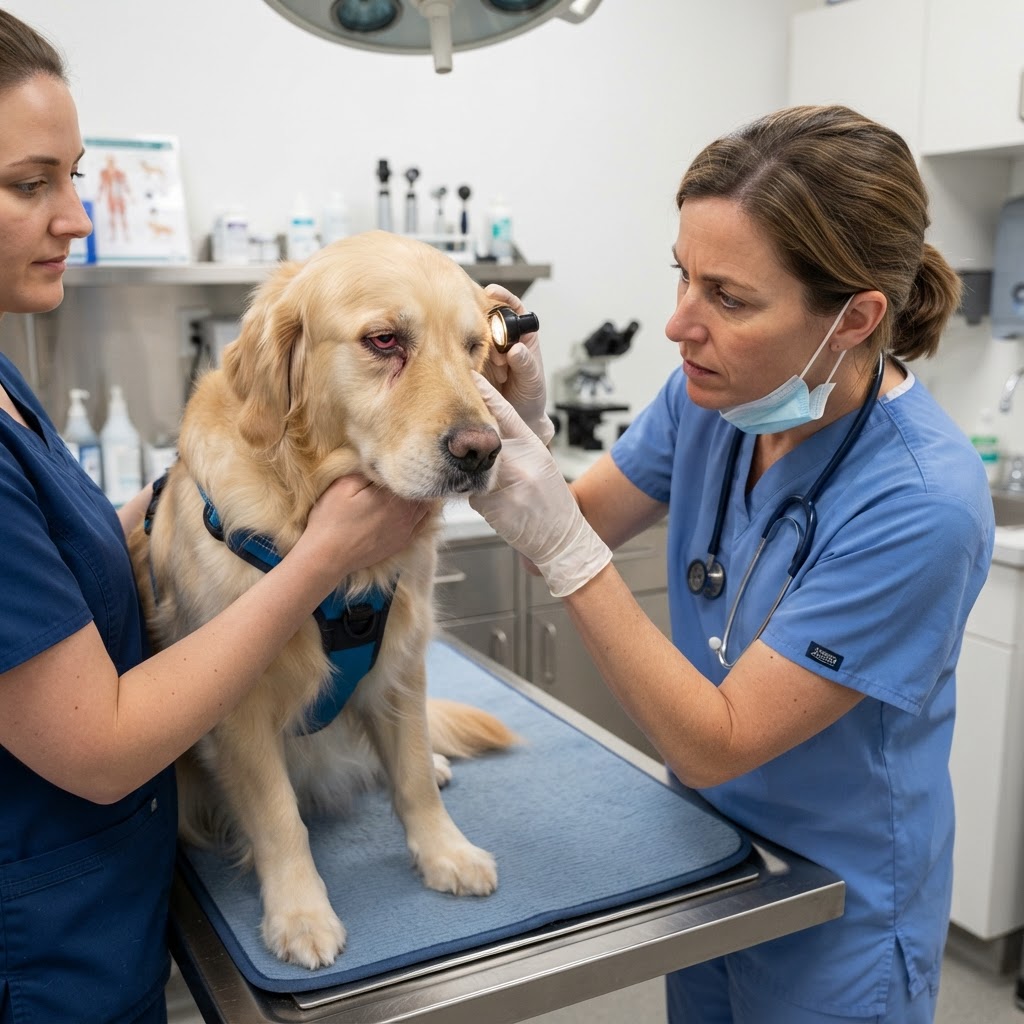
Eye removal (enucleation) in cats is performed when the eye is too damaged or painful to save — from severe infections, glaucoma, trauma, or tumors. Cats are prone to eye infections (herpesvirus, calicivirus) that can cause severe corneal damage, and outdoor cats are at risk of traumatic eye injuries from fights and accidents.
The average cost of cat eye removal surgery is $1,100, with most owners paying between $800 and $1,500 per eye.
How Much Does Cat Eye Removal Cost?
| Procedure | Cost Range | Notes |
|---|---|---|
| Standard enucleation (one eye) | $800–$1,500 | Most common — eye removed and lids sutured |
| Enucleation with intraocular prosthesis | $1,000–$2,000 | Silicone ball for cosmetic appearance |
| Bilateral enucleation (both eyes) | $1,500–$2,500 | Both eyes affected |
| Exenteration (eye + surrounding tissue) | $1,200–$2,500 | For tumors extending beyond the eye |
Why Would a Cat Need Eye Removal?
- •Severe eye infections: Herpesvirus or bacterial infections causing corneal rupture or non-healing ulcers. Cats are more prone to viral eye infections than dogs.
- •Glaucoma: Increased eye pressure causing pain and blindness. Cats are often diagnosed late because they hide symptoms.
- •Trauma: Scratch injuries (especially from cat fights), car accidents, or foreign objects.
- •Eye tumors: Squamous cell carcinoma, melanoma, or lymphoma of the eye.
- •Non-healing corneal ulcers: Deep ulcers that rupture the globe, making the eye non-salvageable.
- •Severe conjunctivitis: Chronic, treatment-resistant inflammation causing permanent scarring and pain.
Cost Breakdown
| Component | Cost |
|---|---|
| Pre-surgical exam | $50–$100 |
| Pre-surgical blood work | $80–$200 |
| Anesthesia + monitoring | $150–$350 |
| Enucleation surgery | $400–$1,000 |
| Intraocular prosthesis (optional) | $200–$500 |
| Take-home pain medication + antibiotics | $30–$80 |
| E-collar or recovery suit | $15–$40 |
| Histopathology (if tumor suspected) | $120–$350 |
| Follow-up visit | $50–$150 |
| Total | $800–$2,000 |
Cost by Clinic Type
| Clinic Type | Price Range |
|---|---|
| General practice vet | $800–$1,200 |
| Board-certified ophthalmologist | $1,000–$1,800 |
| Emergency hospital | $1,200–$2,000 |
| Teaching hospital | $600–$1,000 |
Cat Eye Infections — The Leading Cause of Eye Removal
Cats are particularly susceptible to viral eye infections:
- •Feline herpesvirus (FHV-1): The most common cause of eye disease in cats. Causes conjunctivitis, corneal ulcers, and scarring. Many cats are carriers and have flare-ups throughout life.
- •Calicivirus: Causes upper respiratory infections with eye involvement.
- •Bacterial infections: Often secondary to viral infections. Chlamydia and Mycoplasma are common culprits.
- •Most eye infections respond to treatment, but severe or chronic cases can lead to corneal rupture, requiring eye removal. Early treatment with antiviral or antibiotic eye drops ($30–$80/month) can prevent the need for surgery.
Recovery from Cat Eye Removal
- •Day 1–3: Cat goes home with E-collar or recovery suit. Swelling and bruising normal. Pain medication administered.
- •Week 1: Swelling decreases. Cat adjusts to monocular vision. Keep E-collar on 24/7.
- •Week 2: Sutures removed (or dissolve if absorbable). Most healing complete.
- •Week 3–4: Full recovery. Fur grows back over the site. Cat returns to normal activity.
- •Cats adapt to one-eyed life quickly — often faster than dogs. They rely on their whiskers and hearing to compensate. Cats who lose both eyes can still navigate their home environment using memory and tactile cues.
Frequently Asked Questions
How much does it cost to remove a cat's eye?
Cat eye removal (enucleation) costs $800 to $1,500 on average. With an intraocular prosthesis (for cosmetic appearance), the cost is $1,000–$2,000. Bilateral removal costs $1,500–$2,500. Total including blood work, anesthesia, and medications is $800–$2,000.
Does pet insurance cover cat eye removal?
Yes, most pet insurance covers eye removal when medically necessary (infection, glaucoma, trauma, tumor). Reimbursement is typically 70–90% after your deductible. Pre-existing conditions are excluded.
Can a cat live normally with one eye?
Yes. Cats adapt to monocular vision very quickly — often within days. They compensate using their whiskers, hearing, and spatial memory. Most cats return to normal activity within 2–3 weeks. Indoor cats with one eye live normal, full lives.
What causes eye problems in cats?
The most common causes are viral infections (feline herpesvirus), bacterial infections, trauma (fights, accidents), glaucoma, and tumors. Feline herpesvirus affects up to 80% of cats and can cause recurring eye problems throughout life. Early treatment prevents progression to eye loss.
Is eye removal painful for cats?
The surgery is performed under general anesthesia. Post-operative pain is managed with medication for 3–5 days. Most cats are comfortable within 24–48 hours. The relief from chronic eye pain is often immediate — many cats eat better and are more active after a painful eye is removed.