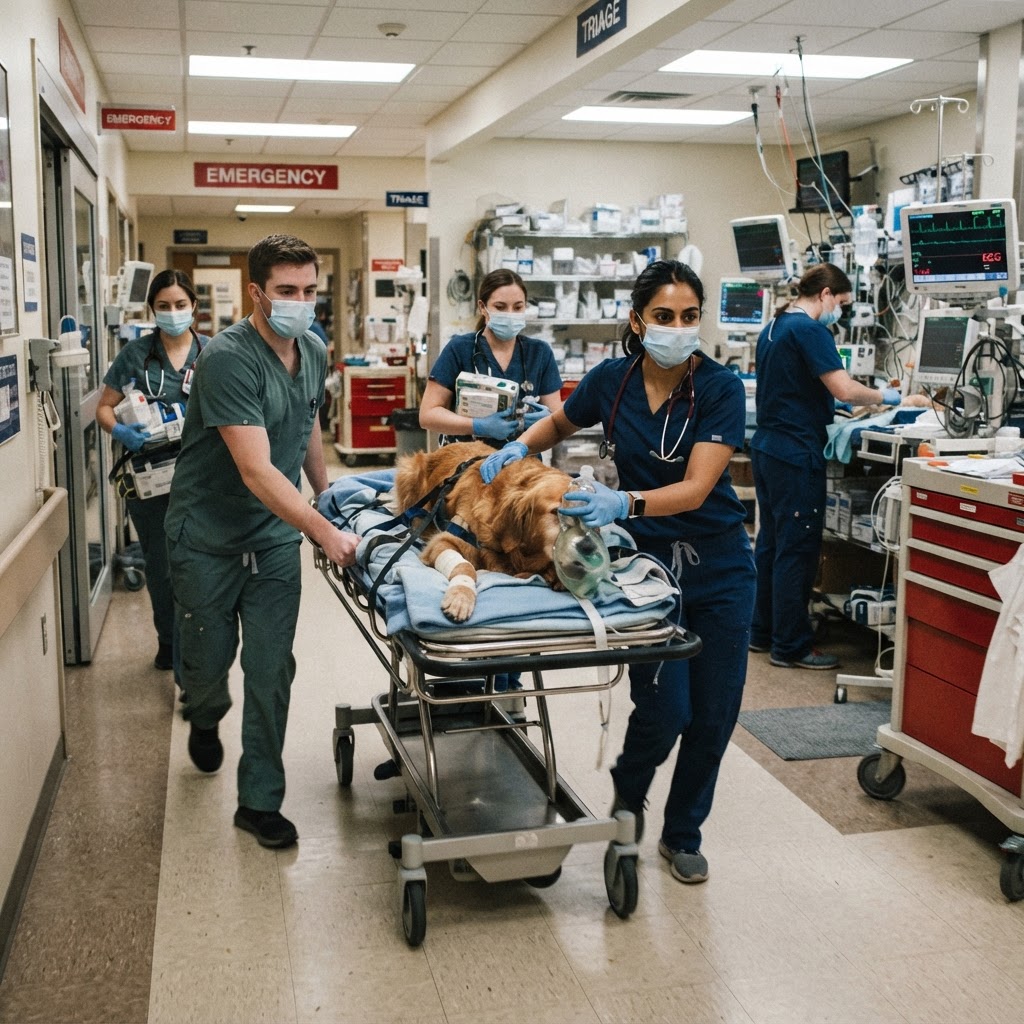
Emergency surgery is any surgical procedure that can't wait — the dog's life is at risk without immediate intervention. These surgeries are always more expensive than planned procedures due to after-hours staffing, emergency equipment, and the urgency of the situation. The most common emergency surgeries in dogs are GDV (bloat), pyometra, and traumatic injuries.
The average cost of emergency surgery for dogs is $3,000, with most owners paying between $1,000 and $5,000+ depending on the condition.
Cost by Emergency Surgery Type
| Condition | Cost Range | Average | Time-Sensitive? |
|---|---|---|---|
| GDV (bloat) — stomach torsion | $1,500–$7,500 | $3,500 | YES — fatal within hours |
| Pyometra — uterine infection | $1,000–$3,500 | $2,000 | YES — fatal within 24–48 hours |
| Splenic rupture — bleeding tumor | $3,000–$5,000+ | $4,000 | YES — fatal within hours |
| Urethral blockage — stones | $750–$3,000 | $1,800 | YES — fatal within 24–48 hours |
| Fracture repair — broken bone | $1,000–$5,000 | $3,000 | Urgent — within 24 hours |
| Gastric foreign body (swallowed object) | $1,500–$5,000 | $3,000 | Urgent — within 24 hours |
| Intestinal foreign body / obstruction | $2,000–$7,000 | $4,000 | Urgent — within 24 hours |
| Bite wound repair / abscess drainage | $500–$2,500 | $1,200 | Urgent — within 24 hours |
| Emergency C-section | $1,500–$4,000+ | $2,500 | YES — puppies die within hours |
| Hernia repair (strangulated) | $800–$2,500 | $1,500 | Urgent — within hours |
Why Is Emergency Surgery So Expensive?
Emergency surgery costs 1.5–3x more than the same procedure done as a planned surgery because:
- •After-hours staffing: Emergency hospitals staff 24/7 with veterinarians, technicians, and support staff — this costs more than daytime general practice.
- •Emergency equipment: Emergency hospitals have advanced monitoring, ICU capabilities, and specialized surgical equipment.
- •Urgency premium: The procedure must be done immediately, often requiring the surgical team to drop everything and prep for emergency surgery.
- •ICU hospitalization: Emergency patients often need 1–3 nights in ICU ($200–$500/night) with continuous monitoring.
- •Blood transfusions: Many emergencies (splenic rupture, internal bleeding) require blood transfusions ($500–$1,500).
- •Additional diagnostics: Emergency cases often need rapid blood work, X-rays, and ultrasound to assess the full extent of the problem.
Emergency Surgery Cost Breakdown
| Component | Cost |
|---|---|
| Emergency exam fee | $100–$300 |
| Emergency diagnostics (blood work, X-rays, ultrasound) | $300–$800 |
| IV fluids + stabilization | $100–$300 |
| Anesthesia + monitoring | $300–$600 |
| Emergency surgery | $1,000–$5,000+ |
| ICU hospitalization (1–3 nights) | $200–$500/night |
| Blood transfusion (if needed) | $500–$1,500 |
| Take-home medications | $40–$100 |
| Follow-up visit | $50–$150 |
| Total | $2,590–$9,750 |
Cost by Clinic Type
| Clinic Type | Price Range | Notes |
|---|---|---|
| General practice (daytime, can fit in) | $1,000–$3,000 | Cheapest if your vet can do it same-day |
| Emergency hospital (24/7) | $2,000–$7,500+ | Most emergency surgeries done here |
| Board-certified surgeon (emergency) | $3,000–$8,000+ | Highest cost, best outcomes for complex cases |
| Teaching hospital (24/7) | $1,500–$4,000 | Lower cost, supervised by specialists |
How to Prepare for Emergency Surgery Costs
- •Pet insurance: The best protection. Monthly premiums of $30–$60 can save $3,000–$8,000 on a single emergency. Make sure your policy covers emergency surgery.
- •Emergency fund: Set aside $3,000–$5,000 for pet emergencies. A separate savings account or credit card reserved for vet bills.
- •CareCredit / Scratchpay: Veterinary financing options that offer 6–12 months interest-free on qualifying purchases. Apply before you need it.
- •Know your emergency vet: Find the nearest 24/7 emergency hospital before you need it. Keep their address and phone number saved.
- •Know the signs: Recognizing emergencies early (bloat, pyometra, blockage) can save your dog's life and reduce costs — early treatment is always cheaper and more successful.
Frequently Asked Questions
How much does emergency surgery cost for a dog?
Dog emergency surgery costs $1,000 to $5,000+, with an average of $3,000. The most expensive emergencies are GDV/bloat ($1,500–$7,500), intestinal obstruction ($2,000–$7,000), and splenic rupture ($3,000–$5,000+). Total including diagnostics, ICU, and follow-up can reach $2,590–$9,750.
Does pet insurance cover emergency surgery?
Yes, most pet insurance covers emergency surgery including diagnostics, surgery, ICU hospitalization, blood transfusions, and follow-up. Reimbursement is typically 70–90% after your deductible. This can save $2,000–$7,000 on a single emergency. Pre-existing conditions are excluded.
What are the most common dog emergency surgeries?
The most common are GDV/bloat (stomach torsion in large dogs), pyometra (uterine infection in unspayed females), gastric/intestinal foreign body (swallowed objects), urethral blockage (bladder stones), splenic rupture (tumor bleeding), and traumatic injuries (car accidents, dog fights).
How can I reduce emergency surgery costs?
Prevent what you can: spay your dog (prevents pyometra), use a slow feeder bowl (prevents bloat), keep dangerous objects away (prevents foreign body), and don't let your dog roam unleashed (prevents trauma). Have pet insurance or an emergency fund. Go to your regular vet during business hours if possible — emergency hospitals charge 50–200% more.
What should I do if I can't afford emergency surgery?
Ask about payment plans, apply for CareCredit or Scratchpay, check if a teaching hospital can help (lower costs), contact local rescue organizations for financial assistance programs, and ask about charitable funds (RedRover, Magic Bullet Fund). Some emergency hospitals offer "compassionate care" discounts or will work with you on payment plans.