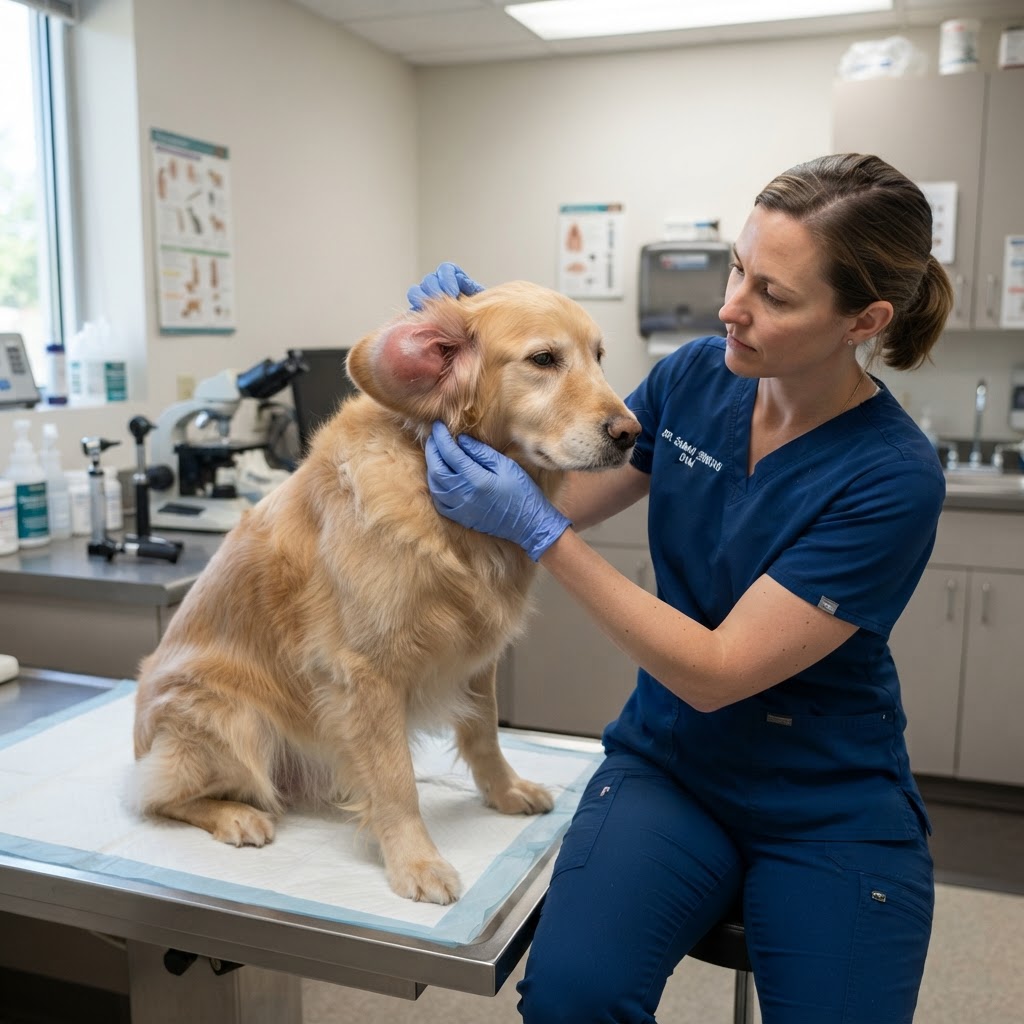
Anal glands (sacs) are two small scent glands located on either side of a dog's anus. When they become repeatedly impacted, infected, or abscessed, surgical removal (anal sacculectomy) may be recommended. This is typically a last resort after manual expression, antibiotics, and dietary changes have failed.
The average cost of dog anal gland surgery is $1,500, with most owners paying between $1,000 and $2,600 for removal of both glands.
How Much Does Anal Gland Surgery Cost?
| Procedure | Cost Range | Notes |
|---|---|---|
| Manual expression (no surgery) | $20–$50 per visit | Routine maintenance — some groomers do this free |
| Anal gland abscess treatment (drainage + antibiotics) | $200–$600 | Medical management of infected gland |
| Unilateral anal sacculectomy (one gland) | $800–$1,500 | Removal of one gland — rarely done alone |
| Bilateral anal sacculectomy (both glands) | $1,000–$2,600 | Standard procedure — both glands removed |
| Laser anal sacculectomy | $1,500–$3,000 | Less bleeding, faster healing — limited availability |
When Is Anal Gland Surgery Needed?
Surgery is recommended when conservative management fails:
- •Recurrent impaction: Glands need expressing every 2–4 weeks despite dietary changes (adding fiber).
- •Recurrent infection: 3+ episodes of anal gland infection (anal sacculitis) in 12 months.
- •Anal gland abscess: Repeated abscesses despite treatment.
- •Anal gland rupture: Gland has burst through the skin — requires emergency treatment and often leads to surgical removal.
- •Anal gland tumor: Apocrine gland adenocarcinoma or other tumors require removal (and sometimes additional cancer treatment).
Cost Breakdown
| Component | Cost |
|---|---|
| Exam + diagnostics (rectal exam, possible ultrasound) | $50–$200 |
| Pre-surgical blood work | $80–$200 |
| Anesthesia + monitoring | $150–$400 |
| Bilateral anal sacculectomy | $700–$2,000 |
| Histopathology (if tumor suspected) | $120–$350 |
| Take-home pain medication + antibiotics | $40–$80 |
| E-collar | $15–$40 |
| Follow-up visit | $50–$150 |
| Total | $1,100–$3,400 |
Cost by Clinic Type
| Clinic Type | Price Range |
|---|---|
| General practice vet | $1,000–$2,000 |
| Board-certified surgeon | $1,500–$2,600 |
| Teaching hospital | $800–$1,500 |
| Emergency hospital (abscess rupture) | $1,500–$3,000 |
Signs of Anal Gland Problems in Dogs
- •Scooting (dragging bottom on the floor)
- •Excessive licking or biting at the anal area
- •Foul-smelling discharge from the anus
- •Swelling or redness near the anus
- •Pain when sitting or defecating
- •Bloody or pus-like discharge (abscess or infection)
- •Foul fishy odor
Frequently Asked Questions
How much does dog anal gland surgery cost?
Dog anal gland surgery (bilateral anal sacculectomy) costs $1,000 to $2,600, with an average of $1,500. Unilateral removal costs $800–$1,500. Total including diagnostics, anesthesia, medications, and follow-up is $1,100–$3,400.
Does my dog need anal gland surgery?
Most dogs never need anal gland surgery. It's only recommended for recurrent problems — 3+ infections per year, repeated abscesses, or tumors. Most anal gland issues are managed with manual expression ($20–$50), dietary fiber, and antibiotics. Surgery is a last resort for chronic cases.
Does pet insurance cover anal gland surgery?
Yes, if the anal gland problems developed after enrollment. Recurrent infection or abscess requiring surgery is typically covered. Reimbursement is 70–90% after your deductible. Pre-existing anal gland issues may be excluded.
What are the risks of anal gland surgery?
The main risk is fecal incontinence (inability to control bowel movements). The anal sphincter muscles are close to the glands and can be damaged during surgery. Risk is 5–10% with experienced surgeons, higher with inexperienced operators. Other risks: infection, bleeding, and scarring. Choosing an experienced surgeon minimizes complications.
Will my dog have problems after anal glands are removed?
Most dogs do well after anal gland removal. The glands produce scent for marking territory — not essential for pet dogs. The main risk is temporary or permanent fecal incontinence (5–10% risk). Most dogs recover fully within 2–4 weeks with no ongoing issues.