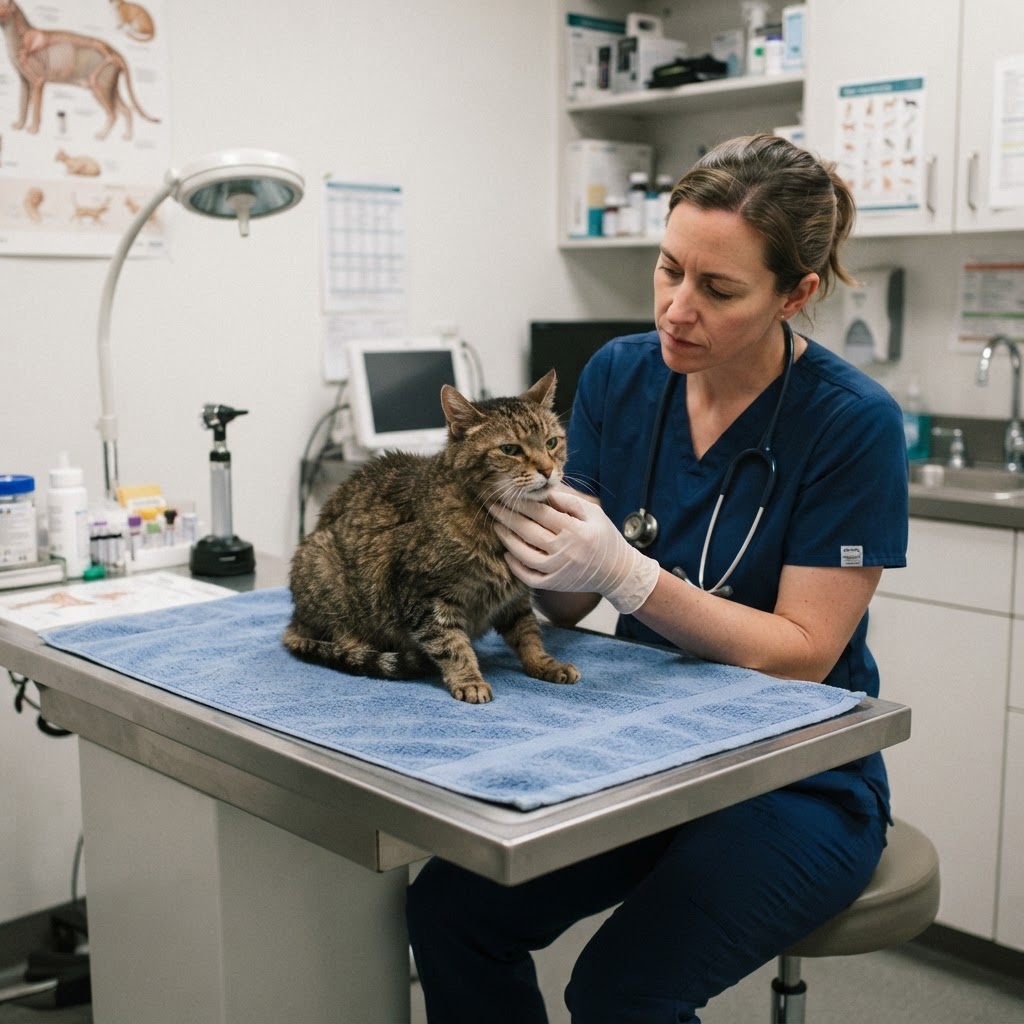
Hyperthyroidism is one of the most common diseases in older cats — affecting approximately 10% of cats over 10 years old. The thyroid gland becomes overactive, producing excess thyroid hormone that speeds up metabolism, causing weight loss, heart damage, and organ failure if untreated. While medication and radioiodine therapy are common treatments, surgery (thyroidectomy) remains an effective option.
The average cost of cat thyroid surgery is $2,500, with most owners paying between $1,500 and $5,000.
How Much Does Cat Thyroid Surgery Cost?
| Treatment Option | Cost Range | Effectiveness | Notes |
|---|---|---|---|
| Unilateral thyroidectomy (one gland) | $1,500–$3,000 | 90% cure rate if only one gland affected | Surgical removal of one thyroid gland |
| Bilateral thyroidectomy (both glands) | $2,500–$5,000 | 95% cure rate | Requires lifelong thyroid medication |
| Radioiodine (I-131) therapy — gold standard | $1,500–$3,500 | 95–98% cure rate, no surgery | Single injection, 3–7 day hospital stay |
| Methimazole (daily medication) | $30–$100/month lifelong | Controls but doesn't cure | Twice-daily pills, blood tests every 6 months |
| Prescription diet (y/d) | $40–$60/month | Controls if cat eats ONLY this diet | No other food or treats allowed |
Surgery vs. Radioiodine vs. Medication — Which Is Best?
| Factor | Thyroidectomy (Surgery) | Radioiodine (I-131) | Methimazole (Medication) |
|---|---|---|---|
| Upfront cost | $1,500–$5,000 | $1,500–$3,500 | $30–$100/month |
| Lifetime cost | One-time (unless recurrence) | One-time | $360–$1,200/year forever |
| Cure rate | 90–95% | 95–98% | Controls symptoms only |
| Anesthesia risk | Yes — elderly cats need careful monitoring | No anesthesia | No anesthesia |
| Hospital stay | 1–2 nights | 3–7 days (radiation isolation) | None |
| Recurrence | 5–10% (if residual tissue grows) | <5% | N/A — ongoing treatment |
Radioiodine (I-131) is the gold standard for treating feline hyperthyroidism — highest cure rate, no anesthesia risk, one-time treatment. However, it requires a specialized facility and 3–7 days of isolation. Surgery is recommended when radioiodine isn't available or affordable, or when a thyroid tumor is suspected.
Cost Breakdown
| Component | Cost |
|---|---|
| Exam + thyroid panel (T4, free T4) | $150–$300 |
| Pre-surgical blood work + kidney panel | $120–$250 |
| Cardiac evaluation (hyperthyroid cats often have heart issues) | $100–$400 |
| Neck ultrasound or thyroid scan | $200–$500 |
| Anesthesia + monitoring (with cardiac monitoring) | $250–$500 |
| Thyroidectomy surgery | $1,000–$3,000 |
| Overnight hospitalization (1–2 nights) | $200–$400/night |
| Calcium monitoring (parathyroid risk) | $50–$150 |
| Take-home medications | $30–$80 |
| Follow-up + thyroid panel (2–4 weeks) | $100–$250 |
| Lifelong thyroid supplement (if bilateral) | $15–$30/month |
| Total | $2,250–$6,080 |
Signs of Hyperthyroidism in Cats
- •Weight loss despite increased appetite
- •Excessive hunger (always begging for food)
- •Hyperactivity, restlessness, vocalizing at night
- •Vomiting
- •Diarrhea
- •Increased thirst and urination
- •Poor coat condition (matted, greasy)
- •Rapid heart rate or heart murmur
- •Aggression or behavioral changes
If your senior cat is eating well but losing weight, ask your vet to check thyroid levels. A simple blood test ($50–$100) can diagnose hyperthyroidism.