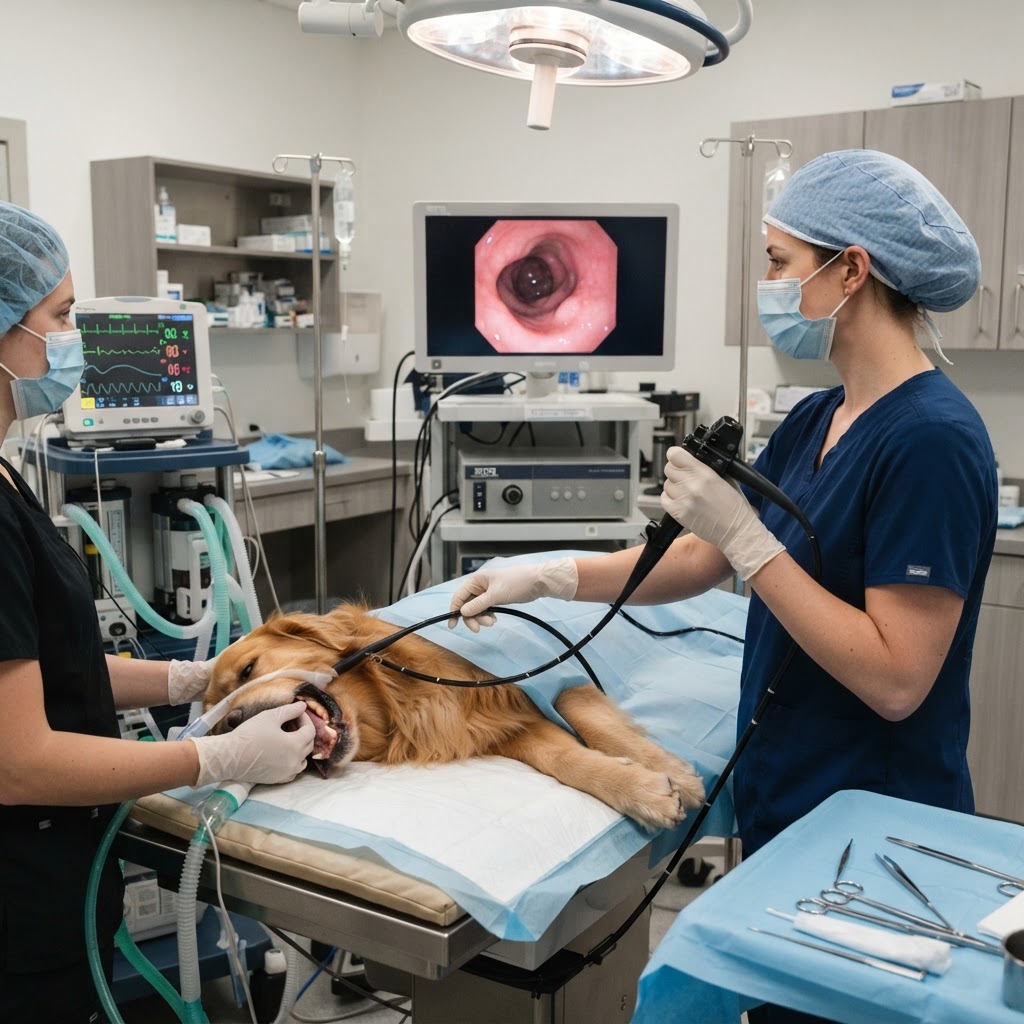
A portosystemic shunt (PSS), also called a liver shunt, is an abnormal blood vessel that bypasses the liver, allowing toxins to circulate through the body instead of being filtered. It's usually congenital (present at birth) and most common in small breeds (Yorkies, Maltese, Pugs, Cairn Terriers). Without surgery, affected dogs suffer from neurological problems, stunted growth, and shortened lifespans.
The average cost of portosystemic shunt surgery is $4,000, with most owners paying between $2,000 and $6,000.
How Much Does Liver Shunt Surgery Cost?
| Procedure Type | Cost Range | Notes |
|---|---|---|
| Single extrahepatic shunt (most common) | $2,000–$5,000 | Most congenital shunts — minimally invasive Ameroid constrictor |
| Multiple shunts or intrahepatic shunt | $3,000–$6,000+ | More complex — may require multiple procedures |
| Gradual occlusion (Ameroid constrictor) | $2,000–$5,000 | Standard — gradually closes shunt over 6–8 weeks |
| Medical management only (no surgery) | $50–$200/month | Diet + lactulose + antibiotics — manages symptoms, doesn't fix |
Cost Breakdown
| Component | Cost |
|---|---|
| Exam + comprehensive blood work (liver panel, bile acids) | $200–$400 |
| Abdominal ultrasound (locate shunt) | $300–$600 |
| CT angiogram or portovenography (confirm shunt location) | $500–$1,200 |
| Pre-surgical blood work + coagulation tests | $100–$250 |
| Anesthesia + monitoring (liver disease requires special protocol) | $250–$500 |
| Shunt occlusion surgery (Ameroid constrictor or cellophane) | $1,500–$4,000 |
| Ameroid constrictor device | $100–$300 |
| Overnight hospitalization (2–4 nights) | $400–$1,500 |
| Post-op blood glucose monitoring (hypoglycemia risk) | $50–$150 |
| Take-home medications + special diet | $50–$150 |
| Follow-up + bile acids test (2–3 months) | $150–$350 |
| Total | $3,600–$9,400 |
Breeds Prone to Portosystemic Shunts
- •Yorkshire Terrier (highest incidence)
- •Maltese
- •Pug
- •Cairn Terrier
- •Miniature Schnauzer
- •Dachshund
- •Shih Tzu
- •Havanese
- •Jack Russell Terrier
Signs of a Liver Shunt in Dogs
Symptoms often appear after eating (because the liver can't process nutrients properly):
- •Stunted growth (small for breed/age)
- •Wobbly, drunken walk (ataxia) after eating
- •Head pressing against walls
- •Disorientation, staring into space
- •Seizures
- •Excessive drooling
- •Vomiting
- •Poor appetite
- •Increased urination (urate stones)
- •Copper-colored urine