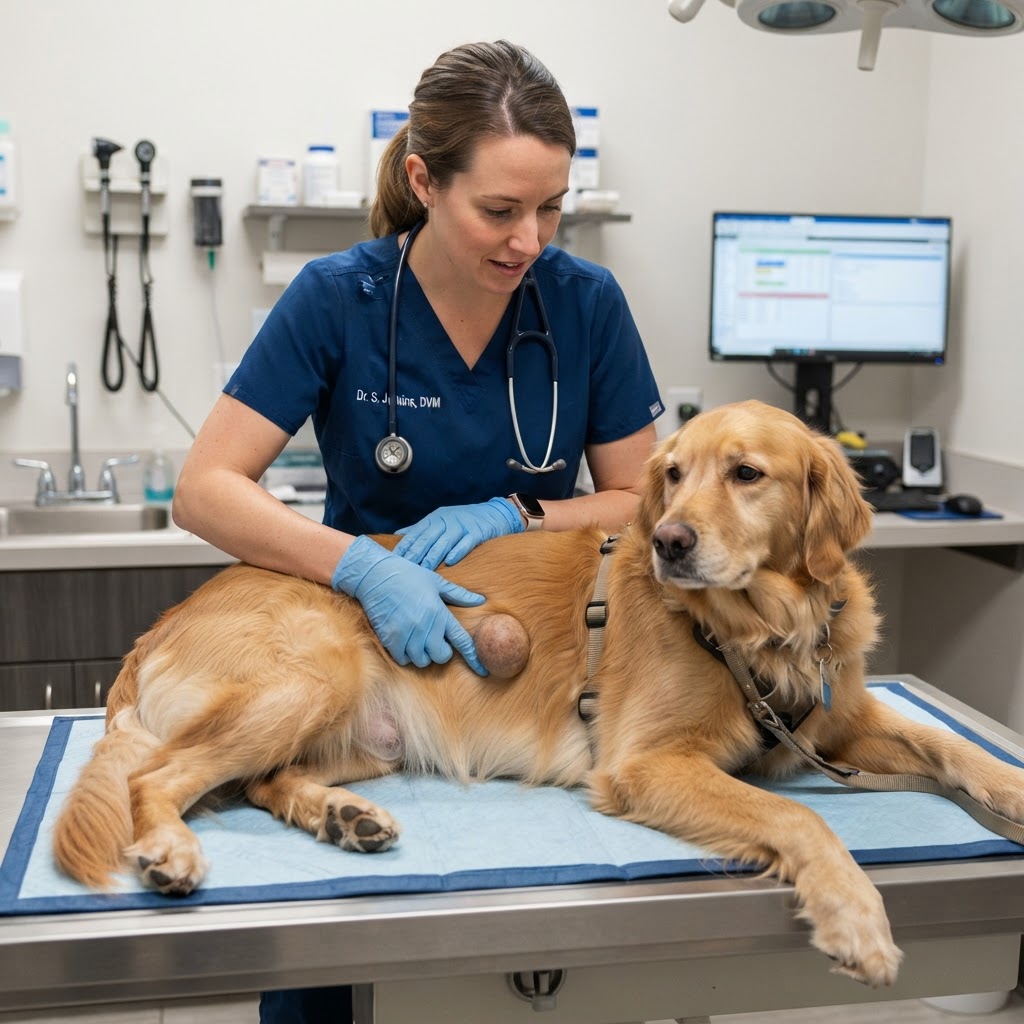
The national average cost of pet surgery ranges from $50 for routine procedures at low-cost clinics to $8,000+ for complex orthopedic surgeries. The price you pay depends on the procedure type, your pet's size and weight, your location, and the type of clinic you choose.
This guide breaks down surgery costs by procedure so you can budget with confidence. All price ranges are based on 2026 data from veterinary hospitals, low-cost clinics, and specialty surgery centers across the United States.
Pet Surgery Cost Overview
| Procedure | Low End | High End | Average |
|---|---|---|---|
| Dog Spay Surgery | $250 | $2,000 | $455 |
| Dog Neuter Surgery | $200 | $885 | $487 |
| Cat Spay Surgery | $120 | $500 | $300 |
| Cat Neuter Surgery | $95 | $385 | $200 |
| Low-Cost Spay/Neuter | $35 | $200 | $100 |
| Dog Tumor Removal | $250 | $2,500 | $800 |
| Dog ACL Surgery (TPLO) | $3,500 | $7,000 | $5,200 |
| Dog Dental Surgery | $500 | $2,500 | $1,200 |
| Dog Cataract Surgery | $2,800 | $6,845 | $4,500 |
| Dog Bladder Stone Surgery | $1,200 | $3,500 | $2,100 |
| Dog Leg Amputation | $700 | $6,000 | $2,500 |
| Dog ACL Surgery | $750 | $8,000 | $3,500 |
| Dog TPLO Surgery | $3,500 | $7,000 | $4,500 |
| Dog TTA Surgery | $3,000 | $5,000 | $4,000 |
| Dog Lateral Suture Surgery | $750 | $3,000 | $1,500 |
| Dog Luxating Patella Surgery | $1,000 | $5,000 | $3,000 |
| Dog Knee Surgery | $750 | $7,000 | $3,500 |
| Dog Hip Dysplasia Surgery | $1,700 | $7,000 | $3,000 |
| Dog Elbow Dysplasia Surgery | $1,500 | $4,000 | $2,500 |
| Dog FHO Surgery | $1,000 | $3,000 | $2,000 |
| Dog Bone Cancer Surgery | $500 | $8,000 | $3,000 |
| Dog Fracture Repair Surgery | $500 | $5,000 | $2,000 |
Spay & Neuter Surgery Costs
Spaying and neutering are the most common pet surgeries in the United States. These routine procedures are widely available at both private veterinary hospitals and low-cost clinics, making them the most affordable entry point for pet surgery.
- •Dog spay surgery $250–$2,000 (average $455) — See full breakdown
- •Dog neuter surgery $200–$885 (average $487) — See full breakdown
- •Cat spay surgery $120–$500 (average $300) — See full breakdown
- •Cat neuter surgery $95–$385 (average $200) — See full breakdown
- •Low-cost spay/neuter clinics $35–$200 — See full breakdown
Orthopedic Surgery Costs
Orthopedic surgeries — ACL repairs, hip dysplasia correction, fracture repair, and more — are among the most expensive pet procedures. These require specialized equipment, board-certified surgeons, and long recovery periods.
- •Dog ACL Surgery $750–$8,000 (average $3,500) — See full breakdown
- •Dog TPLO Surgery $3,500–$7,000 (average $4,500) — See full breakdown
- •Dog TTA Surgery $3,000–$5,000 (average $4,000) — See full breakdown
- •Dog Lateral Suture Surgery $750–$3,000 (average $1,500) — See full breakdown
- •Dog Luxating Patella Surgery $1,000–$5,000 (average $3,000) — See full breakdown
- •Dog Knee Surgery $750–$7,000 (average $3,500) — See full breakdown
- •Dog Hip Dysplasia Surgery $1,700–$7,000 (average $3,000) — See full breakdown
- •Dog Elbow Dysplasia Surgery $1,500–$4,000 (average $2,500) — See full breakdown
- •Dog FHO Surgery $1,000–$3,000 (average $2,000) — See full breakdown
- •Dog Bone Cancer Surgery $500–$8,000 (average $3,000) — See full breakdown
- •Dog Fracture Repair Surgery $500–$5,000 (average $2,000) — See full breakdown
Tumor & Mass Removal Surgery Costs
Tumor removal surgery costs vary widely based on the type of tumor, its location, and whether biopsy or histopathology is needed. Benign masses like lipomas are typically $250–$700, while malignant tumors requiring wide excision can cost $500–$2,500+.
- •Dog lipoma removal: $250–$700
- •Dog mast cell tumor surgery: $500–$2,100
- •Dog mammary tumor surgery: $500–$2,500
- •Cat tumor removal: $300–$2,500
Orthopedic Surgery Costs
Orthopedic surgeries are among the most expensive pet procedures. ACL repairs, hip dysplasia surgery, and patella correction require specialized equipment and expertise, driving costs into the thousands.
- •Dog ACL (TPLO) surgery: $3,500–$7,000
- •Dog TTA surgery: $3,000–$5,000
- •Dog hip dysplasia surgery: $1,700–$5,000+
- •Dog luxating patella surgery: $1,000–$5,000
- •Dog fracture repair: $500–$3,000+
Eye Surgery Costs
Eye surgery in pets ranges from routine eyelid corrections to complex microsurgery. Cataract surgery is the most expensive eye procedure, requiring a board-certified veterinary ophthalmologist and specialized equipment. Cherry eye and entropion are more common and affordable.
- •Dog Cataract Surgery $2,800–$6,845 per eye (average $4,000) — See full breakdown
- •Dog Eye Removal (Enucleation) $987–$1,483 per eye (average $1,200) — See full breakdown
- •Dog Entropion Surgery $500–$2,000 per eye (average $1,000) — See full breakdown
- •Dog Cherry Eye Surgery $300–$1,500 per eye (average $700) — See full breakdown
- •Cat Eye Removal (Enucleation) $800–$1,500 per eye (average $1,100) — See full breakdown
- •Dog Corneal Ulcer Surgery $500–$3,000+ (average $1,500) — See full breakdown
Soft Tissue & Internal Surgery Costs
Soft tissue and internal surgeries address conditions inside the body — bladder stones, hernias, infections, and reproductive emergencies. These procedures range from routine to life-saving, with costs driven by urgency, complexity, and recovery time.
- •Dog Bladder Stone Surgery (Cystotomy) $1,200–$3,500 (average $2,100) — See full breakdown
- •Cat Bladder Stone Surgery $800–$2,500 (average $1,500) — See full breakdown
- •Dog Hernia Surgery $150–$6,000 (average $1,500) — See full breakdown
- •Dog Umbilical Hernia Surgery $200–$1,500 (average $700) — See full breakdown
- •Dog Perineal Hernia Surgery $800–$3,500 (average $1,800) — See full breakdown
- •Cat Hernia Surgery $150–$2,500 (average $800) — See full breakdown
- •Dog Ear Hematoma Surgery (Aural Hematoma) $300–$2,500 (average $800) — See full breakdown
- •Dog Anal Gland Surgery $100–$3,500 (average $500) — See full breakdown
- •Dog C-Section Surgery $500–$4,000 (average $1,800) — See full breakdown
- •Dog Splenectomy Surgery $1,500–$5,000 (average $2,800) — See full breakdown
- •Dog Pyometra Surgery $1,000–$3,000 (average $1,800) — See full breakdown
Amputation & Emergency Surgery Costs
Amputation and emergency surgeries are among the most stressful and costly procedures pet owners face. Amputations may be needed due to cancer, trauma, or severe injury, while emergency surgeries like bloat (GDV) correction are time-critical and can cost thousands.
- •Dog Amputation Surgery $500–$3,000+ (average $1,500) — See full breakdown
- •Dog Leg Amputation Surgery $700–$3,000 (average $1,800) — See full breakdown
- •Dog Tail Amputation Surgery $300–$1,200 (average $600) — See full breakdown
- •Dog Toe Amputation Surgery $200–$800 (average $450) — See full breakdown
- •Cat Amputation Surgery $500–$2,500 (average $1,200) — See full breakdown
- •Dog Emergency Surgery $500–$8,000+ (average $2,500) — See full breakdown
- •Dog Bloat Surgery (GDV) $1,500–$7,500 (average $3,500) — See full breakdown
Specialized & Niche Surgery Costs
Specialized surgeries address less common but serious conditions — thyroid tumors, kidney disease, congenital liver shunts, urinary blockages, and brachycephalic airway issues. These procedures often require board-certified surgeons and specialized equipment, and costs vary widely based on complexity and the specialist involved.
- •Dog Thyroid Surgery (Thyroidectomy) $1,500–$5,000 (average $3,000) — See full breakdown
- •Cat Thyroid Surgery (Thyroidectomy) $1,500–$5,000 (average $2,500) — See full breakdown
- •Dog Kidney Removal (Nephrectomy) $2,000–$5,000 (average $3,500) — See full breakdown
- •Dog Portosystemic Shunt (Liver Shunt) Surgery $2,000–$6,000 (average $4,000) — See full breakdown
- •Dog Perineal Urethrostomy (PU Surgery) $1,500–$3,500 (average $2,500) — See full breakdown
- •Dog Stenotic Nares Surgery $500–$2,000 (average $1,200) — See full breakdown
- •Dog Soft Palate Surgery $1,000–$3,000 (average $1,800) — See full breakdown
- •Dog Cytopoint Injection Cost $30–$100 per injection (average $55) — See full breakdown
- •Dog Allergy Shot (Immunotherapy) Cost $30–$100/month (average $65) — See full breakdown
- •Dog Skin Allergy Treatment Cost $30–$583/month depending on severity — See full breakdown
Dental Surgery Costs
Dental procedures range from routine cleanings to complex extractions and oral surgery. Dental disease affects 80% of dogs and 70% of cats by age 3, making this one of the most common reasons pet owners face surgery costs.
- •Dog dental cleaning: $300–$700+
- •Dog tooth extraction: $78–$2,500+
- •Cat tooth extraction: $50–$130 per tooth ($300–$1,300 total)
- •Dog root canal: $500–$1,500+
Emergency & Soft Tissue Surgery Costs
Emergency surgeries — bladder stone removal, pyometra, C-sections, and accident-related procedures — often come with surprise costs. Planning ahead can save thousands.
- •Dog bladder stone surgery (cystotomy): $1,200–$3,500
- •Dog hernia surgery: $150–$10,000
- •Dog C-section: $500–$4,000
- •Dog pyometra surgery: $1,000–$3,000
- •Dog ear hematoma surgery: $300–$2,500
What Affects Pet Surgery Cost?
Five main factors determine what you'll pay for pet surgery:
- •Procedure complexity: Routine spay/neuter costs less than orthopedic or cancer surgery.
- •Pet size and weight: Larger pets need more anesthesia, longer surgery time, and larger surgical materials.
- •Clinic type: Low-cost clinics, private hospitals, and specialty surgery centers have very different price structures.
- •Location: Urban areas and coastal cities cost 30–50% more than rural or Midwest locations.
- •Add-ons: Pre-surgical blood work ($80–$200), IV fluids ($40–$100), pain medication ($30–$80), and e-collars ($15–$40) add to the total.
How to Save on Pet Surgery Costs
- •Compare clinics: Prices can vary by 300%+ for the same procedure. Call at least 3 clinics.
- •Use low-cost clinics for routine procedures: Spay/neuter clinics charge $35–$200 vs $300–$2,000 at private hospitals. Find a low-cost clinic near you.
- •Ask about package pricing: Some clinics bundle surgery, blood work, pain meds, and follow-up visits.
- •Consider pet insurance: Pet insurance can reimburse 70–90% of surgery costs if enrolled before the condition develops.
- •Check for financial assistance: Many shelters and humane societies offer surgery subsidies or payment plans.
Frequently Asked Questions
How much does pet surgery cost?
Pet surgery costs range from $50 for routine procedures at low-cost clinics to $8,000+ for complex orthopedic surgeries. The average pet owner spends $300–$2,500 on a single surgical procedure.
How much does it cost to spay or neuter a pet?
Spaying or neutering costs $35–$2,000 depending on the animal, size, and clinic type. Low-cost clinics charge $35–$200, while private veterinary hospitals charge $200–$2,000.
Does pet insurance cover surgery?
Most pet insurance policies cover surgery, including emergency and specialty surgeries, reimbursing 70–90% of eligible costs after your deductible. Pre-existing conditions are typically excluded, so enroll before your pet develops health issues.
How can I find low-cost pet surgery near me?
Low-cost spay/neuter clinics operate in most U.S. cities, charging $35–$200 for routine surgeries. Humane societies, ASPCA chapters, and nonprofit veterinary clinics are the best places to start.
How much does pet surgery cost without insurance?
Without pet insurance, you pay the full cost out of pocket. Routine spay/neuter runs $35–$2,000, tumor removal $250–$2,500, orthopedic surgery $1,000–$7,000, and emergency surgery $500–$5,000+. Pet insurance typically reimburses 70–90% of eligible costs after your deductible.
What is the most expensive pet surgery?
The most expensive pet surgeries are orthopedic procedures like TPLO (cruciate ligament repair) at $3,500–$7,000, spinal surgery at $3,000–$8,000+, and cancer treatments including surgery and chemotherapy at $5,000–$15,000+. Complex soft-tissue surgeries and specialist procedures also command premium pricing.
Can I make payments on pet surgery?
Yes. Most veterinary clinics accept CareCredit (6–24 months 0% interest financing), Scratchpay, and Wells Fargo Health Advantage. Many clinics also offer in-house payment plans for established clients. Apply for CareCredit before an emergency so it's ready when needed.
How do I know if my pet needs surgery?
Signs your pet may need surgery include persistent limping, visible lumps or masses, difficulty eating or breathing, repeated vomiting, sudden weight loss, and trauma injuries. Your veterinarian will diagnose the condition and recommend surgery only when necessary. Always get a second opinion for elective procedures.
What are the risks of pet surgery?
Like any surgery, pet surgery carries risks including anesthesia reactions, infection, bleeding, and complications during recovery. Modern veterinary medicine has made surgery very safe — the mortality rate from anesthesia in healthy pets is less than 0.1%. Pre-surgical blood work and monitoring significantly reduce risks.
How long does pet surgery take?
Routine surgeries like cat neuters take 10–20 minutes, dog spays take 30–90 minutes, and complex procedures like orthopedic surgery can take 2–4 hours. Your pet is typically dropped off in the morning and picked up the same day, though complex surgeries may require an overnight stay.